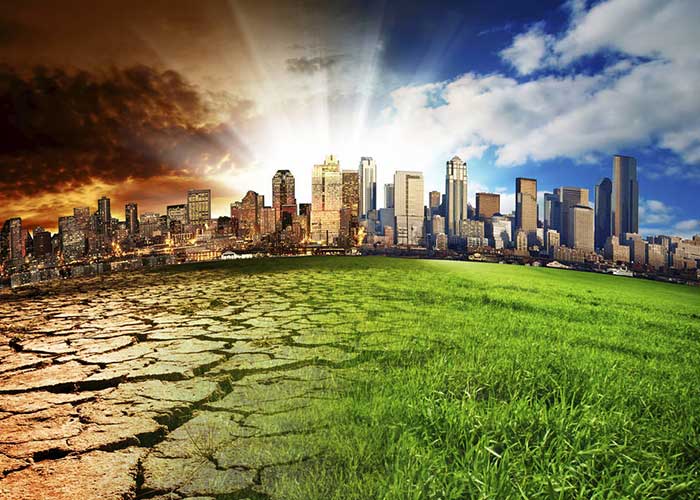
Preserving the farmland and agricultural resources for our future generations. The environmental impact of agriculture varies based on the wide variety of agricultural practices employed around the world. Government farmland preservation programs and many private land trusts work to ensure that we don’t destroy the resources that feed us.
The global population is projected to rise from today’s 7.5 billion to 10 billion by 2050. The development of agriculture enabled the human population to grow many times larger than could be sustained by hunting and gathering.
The removal of a forest or stand of trees from land which is then converted to a non-forest use. Deforestation destroys the trees and forest. Forests still cover about 30 percent of the world’s land area. Deforestation is the permanent destruction of forests in order to make the land available for other uses. Deforestation increases, water decreases.
Common methods of deforestation are burning trees and clear cutting. They provide a host of economic, environmental and social cultural benefits.The natural beauty of farmland which grabs the attention. We prevent our natural resources to develop our future needs.
Farmers are decreasing because of the destroying of lands and lack of water. We want to prevent our farmers and trees by planting more number of trees. We want to stop destroying trees. Without farmers we can’t live. They are our backbones. So, keep protecting farmers and agricultural resources. Due to deforestation, global warming occur and ozone depletion happens.
Farmer nearing retirement decides to sell his land to a developer. Having already struggled with declining revenues due to the loss of other farms, the local agriculture supply to store closes. It lays off its employees, and they move their families elsewhere to find new jobs. The nearby processing plant loses business. Other farmers in the area watch their options narrow and fear that others will also sell their land for development. So, they stop investing in new machinery and a labor.
Farmland preservation aims to protect our future generation. It aims to secure enough farms as permanent anchors so that people can see that their local farm economy can weather the loss of a number of non-protected farms without cause. Farmland preservation provides assurance that farming is there to stay in a community.
Comments
Post a Comment